
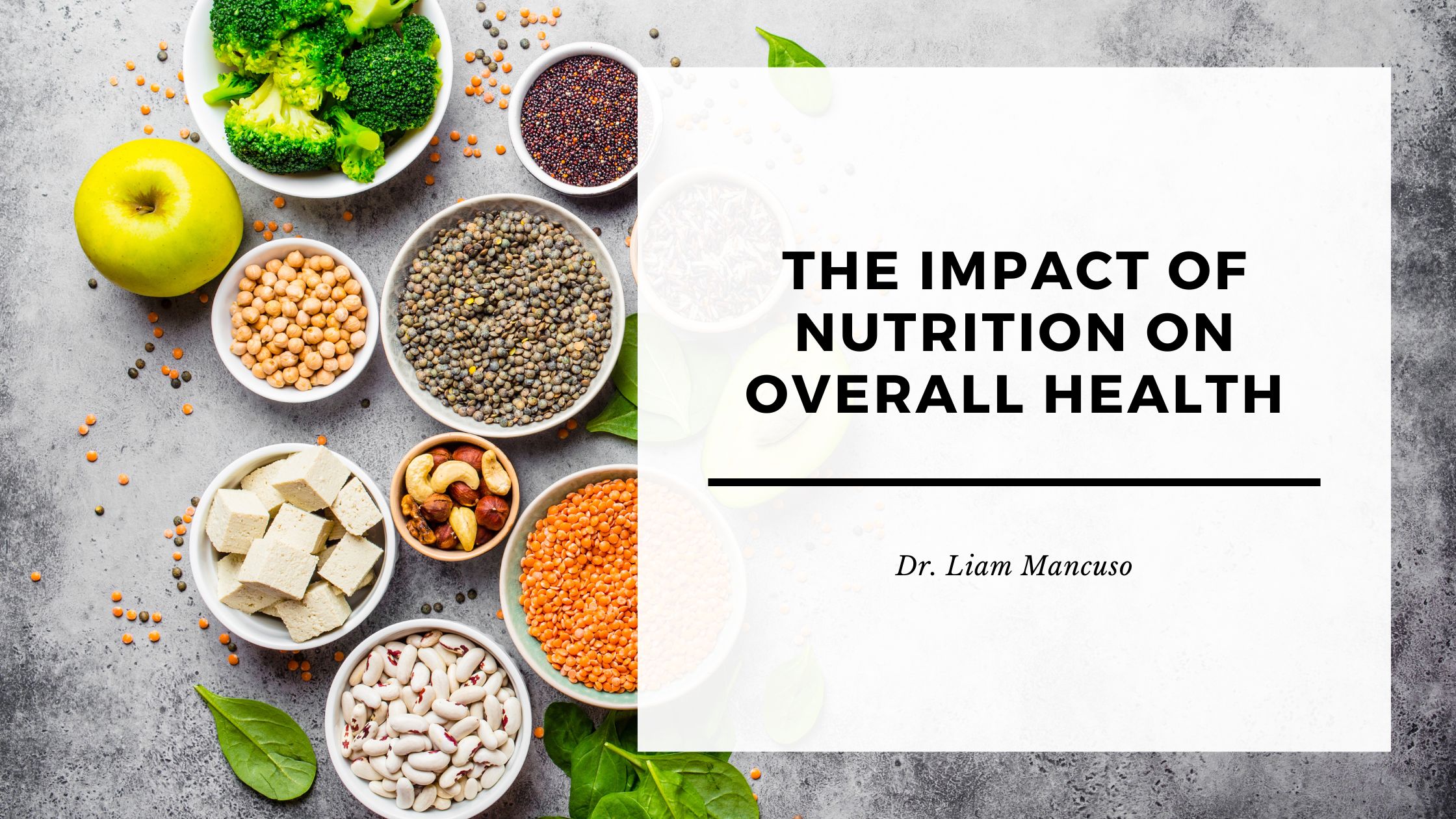
Nutrition plays a pivotal role in overall health and well-being. It’s more than just the fuel that energizes our bodies; it’s the foundation for our body’s functioning, influencing everything from physical health to mental well-being. This blog post explores how nutrition impacts our health and offers tips on making informed dietary choices for a healthier life.
Understanding the Role of Nutrition
Nutrition involves the nutrients our bodies require to function effectively. These nutrients include carbohydrates, proteins, fats, vitamins, and minerals. A balanced diet ensures that our body gets the right amount of these nutrients, which is crucial for maintaining health, preventing diseases, and enhancing longevity.
Key Impacts of Nutrition on Health
- Weight Management: Proper nutrition is key to maintaining a healthy weight. Overeating, especially high-calorie, low-nutrient foods, can lead to obesity, while undernutrition can lead to unhealthy weight loss.
- Chronic Disease Prevention: A balanced diet can help prevent or manage chronic diseases such as heart disease, diabetes, and certain cancers. Foods rich in fiber, antioxidants, and healthy fats are particularly beneficial.
- Bone and Teeth Health: Nutrients like calcium, vitamin D, and phosphorus are essential for maintaining healthy bones and teeth, reducing the risk of osteoporosis and dental issues.
- Brain Function: Certain nutrients, especially omega-3 fatty acids, B vitamins, and antioxidants, play a significant role in brain health. They can enhance cognitive function and may reduce the risk of mental decline.
- Mood Regulation: Research suggests a link between diet and mood. Diets high in fruits, vegetables, and omega-3 fatty acids can boost mood and mental well-being.
- Digestive Health: A diet high in fiber from fruits, vegetables, and whole grains supports healthy digestion and can prevent issues like constipation and diverticulosis.
- Immune System Support: Proper nutrition is crucial for a robust immune system. Vitamins A, C, D, and minerals like zinc play significant roles in supporting immune function.
Tips for Nutritional Wellness
- Eat a Variety of Foods: A balanced diet includes a variety of foods from all food groups: fruits, vegetables, grains, protein sources, and dairy or alternatives.
- Focus on Whole Foods: Prioritize whole, unprocessed foods, as these are richer in essential nutrients.
- Limit Processed and High-Sugar Foods: Reducing the intake of processed foods and those high in added sugars can significantly improve health.
- Stay Hydrated: Water is crucial for every bodily function. Drinking enough water supports digestion, absorption, circulation, and even skin health.
- Moderation is Key: Practice portion control and moderation, even with healthier foods.
Nutrition is a vital aspect of overall health. By making informed dietary choices, we can significantly enhance our physical, mental, and emotional well-being. Remember, there’s no one-size-fits-all approach to nutrition; it’s about finding the balance that works for your individual health needs and lifestyle.